Practical, evidence-based insights on nutrition, weight loss, fitness, wellness, and health products to help you make safer, smarter choices.
Health & Wellness Articles
Explore expert-informed health and wellness articles covering weight loss, nutrition, fitness, healthy habits, and supplement reviews to support a healthier lifestyle.
Explore expert-informed health and wellness articles covering weight loss, nutrition, fitness, healthy habits, and supplement reviews to support a healthier lifestyle.
Health headlines often turn a complex study into a simple promise: a food prevents disease, a supplement boosts immunity, or a new treatment changes everything. Reliable interpretation takes more care. Without a specific study or health topic to examine, it would be misleading to present one finding as the latest or most important. Instead, readers can use a few evidence-based checks to judge new claims. For practical guidance on everyday health topics, see Health Questions and FAQs.
Start with the original evidence
Look beyond headlines and summaries for the published study, its abstract, and information about who funded it. PubMed, the U.S. National Library of Medicine’s database, is a useful starting point: https://pubmed.ncbi.nlm.nih.gov/. Trusted public-health agencies, such as the World Health Organization and national health departments, can provide context and explain whether findings have influenced guidance.
Study design matters. Randomized controlled trials can help test whether an intervention caused an outcome, while observational studies can identify associations but generally cannot prove cause and effect. Also check the number and characteristics of participants, the length of follow-up, and whether the outcome measured is meaningful to patients—not only a laboratory marker. When assessing nutrition-related claims, compare them with established information in Health and Nutrition Facts.
Ask what the results mean in practice
A statistically significant result may still have a small real-world effect. Absolute risk can clarify the scale: a change from 2 cases per 1,000 people to 1 per 1,000 is different from a large reduction affecting many people. Consider whether the finding applies to your age group, medical history, and circumstances. One study rarely settles a question; confidence grows when independent research points in the same direction and systematic reviews assess the full body of evidence.
Keep limitations in view
Every study has limits, including possible bias, short follow-up, small samples, and results that may not generalize to other populations. Research findings are not personal medical advice. Before changing medication, treatment, or diet for a health condition, discuss the evidence with a qualified clinician. Careful reading turns health news into a useful starting point—not a reason for alarm or an instant change in care.
For additional information, consult WHO healthy diet guidance. Product information and individual health needs should be assessed carefully.
Trusted health information resources
For reliable background information on health topics, visit MedlinePlus from the U.S. National Library of Medicine, and use the original research or official guidance linked by the relevant health authority when assessing a specific claim.
Clear health information should be practical, evidence-aware, and honest about its limits. These answers cover everyday movement, hydration, supplements, when to seek medical advice, and sustainable wellness habits. They are general educational information, not personal medical advice.
How much exercise do adults need?
For substantial health benefits, adults should aim for 150–300 minutes of moderate-intensity aerobic activity each week, or 75–150 minutes of vigorous-intensity activity, or an equivalent combination. Adults should also do muscle-strengthening activities involving the major muscle groups on at least two days each week. Brisk walking, cycling, swimming, and dancing can count as aerobic activity. If you are inactive, start with manageable sessions and build up gradually. Some movement is better than none. See the World Health Organization guidance and the Italian Ministry of Health guidance for adults.
Do I need to drink eight glasses of water every day?
There is no single fluid target that suits everyone. Needs vary with body size, climate, activity, pregnancy, diet, and health conditions. Thirst can be a useful everyday cue, although it is not a perfect measure in every situation. Water is a good default choice, and fluids in foods and other drinks also contribute. Do not force excessive amounts. If a clinician has prescribed a fluid limit, follow that advice.
Are supplements necessary for good nutrition?
Many people can meet their nutritional needs through a varied eating pattern that includes vegetables, fruit, whole grains, protein foods, and suitable dairy or fortified alternatives. Supplements can be useful for specific needs, but they do not replace food and may interact with medicines. Whether a supplement is appropriate depends on the person, the ingredient, the dose, and the reason for taking it. Ask a doctor or pharmacist before starting one if you are pregnant, have a medical condition, or take prescription medication.
Do weight-loss supplements reliably cause weight loss?
Do not assume that a supplement works because its advertising promises faster metabolism or dramatic fat loss. The NIH Office of Dietary Supplements explains that evidence for weight-loss supplements varies and that many products have limited research, uncertain ingredient combinations, or safety concerns. Evidence about one ingredient does not prove that a finished branded product is effective. Read the NIH consumer fact sheet on weight-loss supplements and seek professional advice before using a product.
Does FDA registration mean a supplement is FDA-approved?
No. The U.S. FDA does not approve dietary supplements for safety and effectiveness before they are marketed in the same way it approves medicines. A manufacturer’s statement that a facility is registered with the FDA is not proof that the FDA has approved the product or confirmed its advertising claims. See the FDA’s questions and answers on dietary supplements.
When should I seek medical advice?
Seek urgent medical help for warning signs such as severe difficulty breathing, chest pain, sudden weakness or confusion, or uncontrolled bleeding. For persistent, worsening, or unexplained symptoms, contact a qualified health professional rather than relying on general information. Public health websites can explain general guidance, but they cannot diagnose an individual.
What helps support sustainable weight management?
Build routines that you can maintain: choose balanced meals, move regularly, prioritize sleep, and set realistic goals. Change one habit at a time and adapt the plan to your budget, preferences, culture, and health needs. For more practical guidance, explore our Weight Loss, Nutrition, and Fitness guides, plus the free 7-Day Balanced Meal Plan.
Health notice: This page is for general educational purposes and is not a substitute for diagnosis, treatment, or individualized advice from a qualified healthcare professional.
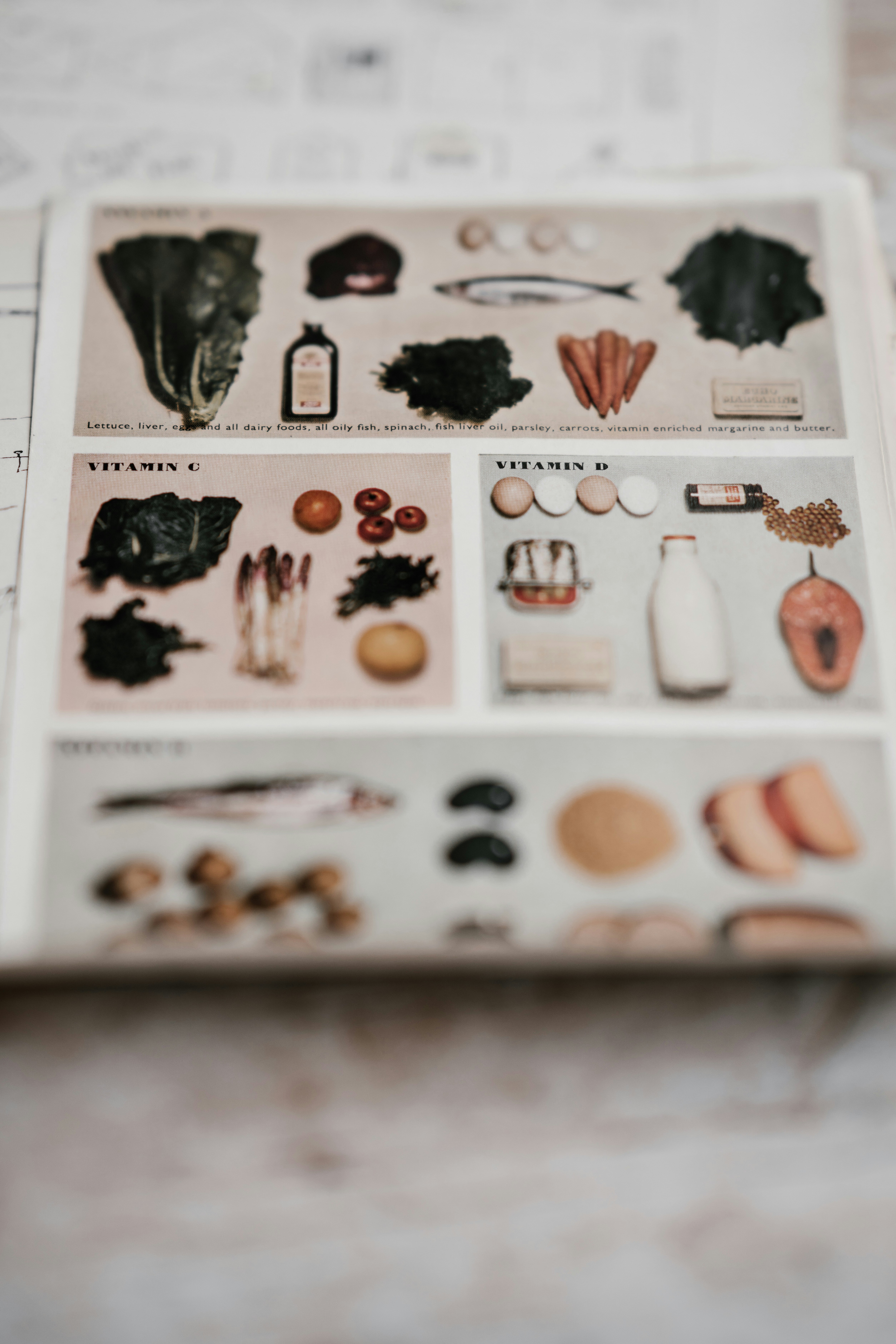
Vitamin D helps the body absorb calcium and supports bone health. The body can make it when skin is exposed to sunlight; it is also found in some foods, including oily fish and fortified milk or plant-based drinks. Very few foods naturally contain substantial amounts.
Established fact: severe, prolonged deficiency can cause bone problems, including rickets in children and osteomalacia in adults. Blood testing can identify low levels, but the meaning of a result depends on the person’s health and clinical context. The U.S. National Institutes of Health Office of Dietary Supplements summarizes these functions and food sources.
What remains uncertain
Vitamin D is sometimes promoted as a way to prevent many conditions, such as cancer, heart disease, or infections. Research has explored these possibilities, but evidence does not establish that supplements reliably prevent these diseases in the general population. The U.S. Preventive Services Task Force has also found insufficient evidence to recommend screening asymptomatic adults for vitamin D deficiency. That does not mean testing or treatment is never appropriate; clinicians may advise it for people with relevant symptoms or risk factors.
Common myths and practical guidance
Myth: everyone needs a high-dose supplement. In fact, needs vary, and excessive vitamin D from supplements can cause harm, including high blood calcium. More is not automatically better. Another misconception is that sunlight is a risk-free way to meet needs; UV exposure increases skin-cancer risk, so deliberate unprotected exposure is not a recommended supplement strategy.
For general guidance, the NIH lists recommended intakes by age and life stage. Food, supplements, health conditions, and medicines can all affect an individual’s needs. Ask a qualified health professional before taking high doses or treating a suspected deficiency, especially during pregnancy or when managing a chronic condition.
Credible sources
Sources: NIH Office of Dietary Supplements, “Vitamin D: Fact Sheet for Health Professionals”; U.S. Preventive Services Task Force, recommendation on screening for vitamin D deficiency in adults.
Summary: Make a nourishing meal-prep bowl with quinoa, chickpeas, fresh vegetables, and a simple yogurt dressing. This flexible recipe serves four and includes easy dairy-free variations.
A Nourishing, Flexible Meal
These chickpea and quinoa bowls combine plant-based protein, whole grains, and crisp vegetables for a satisfying lunch or dinner. The recipe makes four servings and can be prepared ahead, making it useful for busy weekdays. Serve the ingredients warm or chilled, with dressing added just before eating.
Ingredients
You will need 1 cup dry quinoa, rinsed; 1 can (15 ounces) chickpeas, drained and rinsed; 1 tablespoon olive oil; 1 teaspoon ground cumin; 1 cucumber, diced; 1 cup cherry tomatoes, halved; 2 cups baby spinach; and ¼ cup crumbled feta, if desired. For the dressing, combine 3 tablespoons plain yogurt, 1 tablespoon lemon juice, 1 tablespoon water, and black pepper to taste. Add chopped parsley or mint for extra freshness.
Simple Preparation
Cook the quinoa according to the package directions, usually by simmering it in water until tender and the liquid is absorbed. Meanwhile, toss the chickpeas with olive oil and cumin. Warm them in a skillet over medium heat for five to seven minutes, stirring occasionally. Whisk the yogurt, lemon juice, water, and pepper until smooth; add a little more water if needed.
Divide spinach among four bowls. Add quinoa, chickpeas, cucumber, and tomatoes. Spoon the dressing over each portion and finish with feta and herbs. For meal prep, store the dressing separately and assemble bowls shortly before serving.
Practical Nutrition and Variations
Quinoa and chickpeas provide fiber and plant protein, while the vegetables contribute color and variety. The feta and yogurt add flavor, but portions can be adjusted to suit individual needs. For a dairy-free version, omit the feta and use an unsweetened plant-based yogurt or a lemon-and-olive-oil dressing. Substitute brown rice for quinoa, or add roasted peppers, shredded carrots, or leftover vegetables. For larger appetites, serve with fruit or whole-grain pita; for a lighter meal, increase the spinach and vegetables.
Everyday wellness is less about dramatic overhauls than consistent choices that support physical and mental health. Simple routines—taking a short walk, eating a balanced meal, or pausing to breathe—can add up over time. Choose changes that fit your circumstances, since habits are more likely to last when they feel practical rather than punishing. Start with one manageable goal and build gradually.
Regular movement is beneficial even when it does not involve a formal workout. Walking, stretching, gardening, and taking the stairs all help reduce sedentary time. Pair activity with an existing part of your day, such as a brief walk after lunch, to make it easier to remember. If you have health concerns or are new to exercise, consult a qualified health professional about an appropriate starting point.
Manage Stress With Intentional Pauses
Stress cannot always be avoided, but the way we respond can be shaped. Slow breathing, a few minutes outdoors, or writing down the next practical step may help create a sense of control. Protecting time for relationships and enjoyable activities also matters. These strategies are not substitutes for professional support; persistent distress or difficulty functioning warrants a conversation with a healthcare provider.
Hydration needs vary with activity, climate, health, and individual circumstances. Rather than relying on a rigid rule, keep water available and drink regularly, especially during heat or exercise. Foods with high water content can contribute too. Follow medical guidance if you have been advised to limit fluids.
Make Sleep a Consistent Priority
Good sleep supports mood, attention, and general health. A steady wake-up time, a calming wind-down routine, and a comfortable, quiet bedroom can encourage better rest. Limit late-day caffeine if it affects your sleep, and reduce stimulating screen use before bed when possible. If sleep problems continue or significantly affect daily life, seek professional advice.
Choose Changes You Can Sustain
Healthy routines work best when they allow flexibility. Track progress in a simple way, notice what helps, and adjust without treating setbacks as failure. A few repeatable habits—movement, nourishing food, adequate fluids, stress breaks, and regular sleep—can form a realistic foundation for long-term well-being.
In brief: We compare each supplement with realistic alternatives, such as simpler formulas, food-based approaches, evidence-supported lifestyle changes, lower-cost options, professional guidance, or no supplement. The comparison considers evidence quality, disclosed doses, safety, interactions, serving cost, subscriptions, refunds, convenience, and quality-control information.
How We Review Supplements
Our supplement reviews are designed to help readers make informed decisions. We assess the product label, available research, safety information, value, and practical alternatives. Unless a review explicitly says otherwise, our findings are based on publicly available information and do not represent personal testing of the finished product.
Ingredients and Disclosed Doses
We list the important active ingredients and the amount disclosed per serving, along with the serving size and suggested use. We also note proprietary blends, undisclosed quantities, allergens, sweeteners, fillers, and ingredients that may overlap with other products or medicines. A long ingredient list does not prove that a product is more effective.
What the Research Says
We distinguish evidence about individual ingredients from evidence about the finished product. Ingredient-level research may examine a specific dose, formulation, population, or outcome that differs from the product being reviewed; it should not automatically be treated as proof that the finished product works. We give more weight to well-designed human studies and systematic reviews than to laboratory research, animal studies, testimonials, or a single small study.
We also consider study quality, duration, sample size, funding, consistency, and whether findings have been independently replicated. Promising evidence may still indicate only a modest or uncertain benefit. Claims about laboratory research describe published research and do not mean that ProReviewInsight performed laboratory testing.
Price, Value, and Alternatives
Before publication, we verify the listed price, serving count, cost per serving, shipping charges, and recurring or subscription terms when available. We also check refund or return conditions and note when prices or policies may change. If current pricing or policy details cannot be verified, we say so rather than presenting estimates as facts.
Comparing Relevant Alternatives
A supplement should be compared with realistic alternatives that address the same goal. Depending on the product, these may include a clearly labeled single-ingredient formula, a product with a simpler or fully disclosed dose, a food-based approach, an evidence-supported lifestyle change, a lower-cost option, or no supplement at all.
We compare alternatives using relevant criteria: active ingredients and doses, strength and limits of the evidence, safety and interaction concerns, serving cost, subscription obligations, refund terms, convenience, and quality-control information. An alternative is not automatically better because it is cheaper or more familiar, and a higher price does not establish better quality or stronger results. When a comparison depends on current prices or policies, we verify those details before publication and identify information that could change.
The most suitable choice depends on the reader’s goal, health circumstances, budget, preferences, and tolerance for uncertainty. Where a food-based approach, professional guidance, or no supplement may reasonably meet the goal, we say so rather than presenting supplementation as necessary.
Safety and Limitations
Potential risks depend on the ingredients, dose, health conditions, and medicines a person uses. We identify relevant cautions, possible side effects, duplicate ingredients, and potential interactions where reliable information is available. People who are pregnant, breastfeeding, preparing for surgery, managing a medical condition, or taking prescription medicines should consult a qualified healthcare professional before use.
Supplements should not replace prescribed treatment. Our reviews do not diagnose, prevent, or treat disease, and they do not promise fat loss, guaranteed results, or outcomes for every person. Lack of strong evidence does not automatically prove that a product is ineffective, but it does limit confidence in its benefits.
Testing and Product-Source Disclosure
We clearly state whether a product was personally tested, researched using publicly available information, or supplied by a company. A product supplied by a company is not the same as a product independently tested, and receiving a sample does not establish effectiveness. We do not imply firsthand use, laboratory testing, or independent certification unless those activities actually occurred and are explicitly documented.
How to Judge a Supplement Review
A credible review explains what is known, what remains uncertain, and which claims apply only to an ingredient rather than the finished product. It separates verified facts from opinions and sponsored or incentivized feedback, and it identifies who may reasonably consider a product, who should avoid it, and when professional advice is appropriate.
Conclusion
A useful supplement review should help you compare evidence, safety, cost, and realistic alternatives without overstating what is known. Consider the product’s exact ingredients and doses, your own circumstances, and whether a food-based approach, lifestyle change, professional guidance, or no supplement may be the better choice.
Frequently Asked Questions
Are supplement reviews based on personal testing?
Not necessarily. Each review states whether the product was personally tested, researched using public information, or supplied by a company.
Does research on an ingredient prove that a supplement works?
No. Evidence about an individual ingredient may not apply to the product’s exact dose, formula, population, or outcome.
Is a more expensive supplement better?
No. Price alone does not establish better quality, stronger evidence, or better results. We consider cost alongside ingredients, evidence, safety, and practical value.
Should I ask a healthcare professional before taking a supplement?
Yes, especially if you are pregnant, breastfeeding, preparing for surgery, managing a medical condition, or taking prescription medicines.
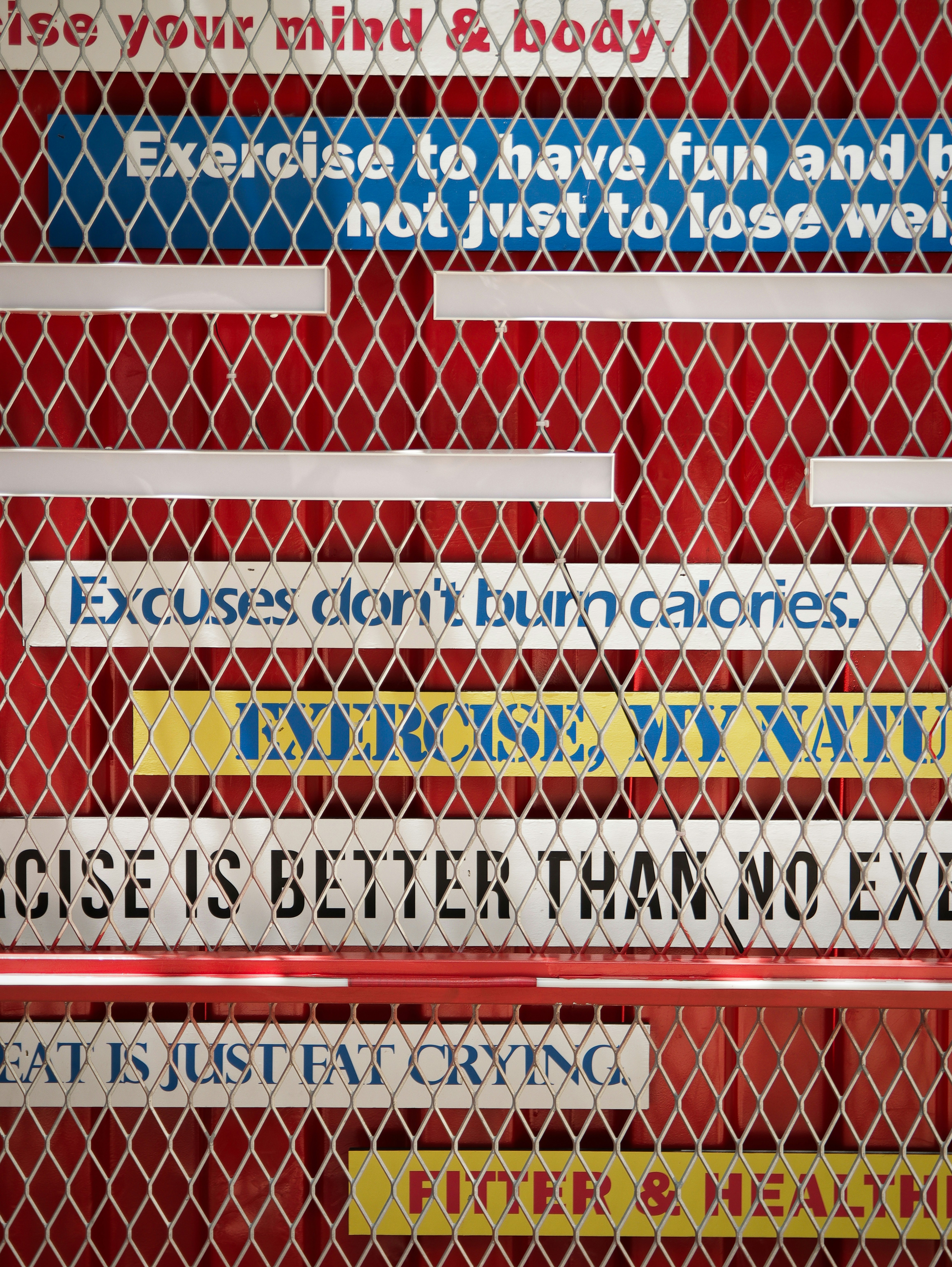
Beginning a fitness routine does not require expensive equipment or intense workouts. The best plan is one you can follow consistently. Start by choosing activities you enjoy, such as brisk walking, cycling, dancing, or simple strength exercises at home. Set a specific, manageable goal—for example, moving for 20 minutes three times this week—then gradually build from there.
Progress is personal. Track your sessions or how you feel afterward, rather than comparing your pace with someone else’s. Small improvements in stamina, strength, balance, or energy are meaningful signs that your routine is working.
Beginner-Friendly Exercises
A balanced program includes aerobic activity and muscle-strengthening work. For cardio, try walking at a pace that makes conversation possible but raises your breathing slightly. For strength, begin with chair squats, wall push-ups, glute bridges, and standing calf raises. Use controlled movements, and start with one set of 8 to 12 repetitions. Rest between exercises as needed.
A practical weekly routine might include three 20-minute walks and two short strength sessions. Keep at least one easier day for recovery. As the routine becomes comfortable, add a few minutes, another set, or a slightly more challenging variation—not all at once.
Exercise Safely and Consistently
Warm up with five minutes of easy movement, and finish with a gradual cool-down. Wear supportive footwear, drink water, and choose a safe place to exercise. Mild muscle fatigue can be normal, but stop if you experience chest pain, faintness, unusual shortness of breath, or sharp pain. Seek medical guidance before starting if you have a chronic condition, significant injury, or concerns about exercising.
Adults can work toward the World Health Organization’s recommendation of 150 to 300 minutes of moderate-intensity aerobic activity per week, plus muscle-strengthening activities on at least two days. Beginners do not need to reach that target immediately: every bit of movement counts. Build gradually, prioritize rest, and return to your routine after setbacks without treating them as failure. For tailored advice, consult a qualified health professional or exercise specialist.
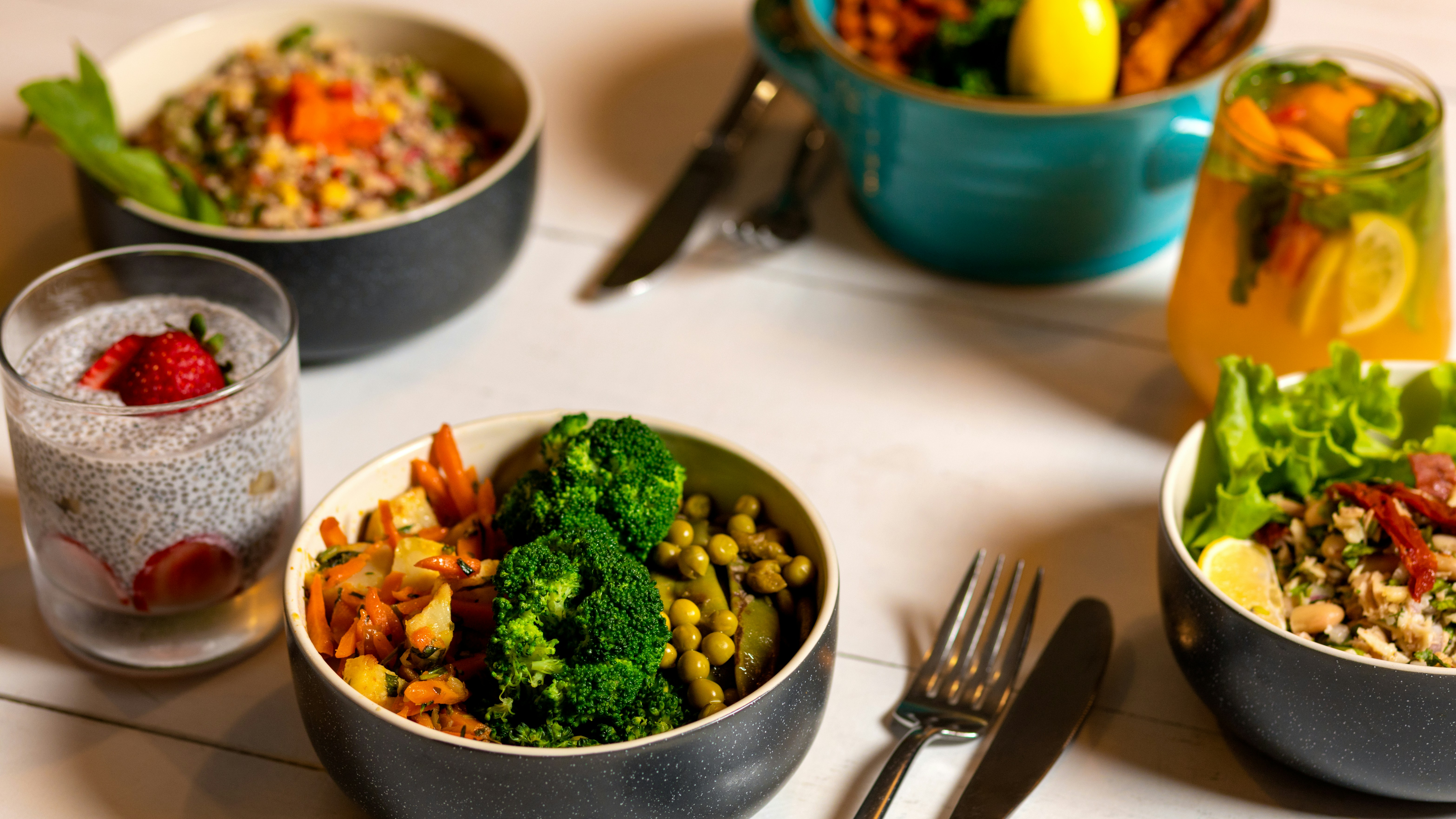
Good nutrition does not require strict rules or complicated recipes. A balanced eating pattern provides the body with energy and essential nutrients while leaving room for personal preferences, culture, and enjoyment. A useful starting point is to fill about half your plate with vegetables and fruit, choose whole grains for a substantial portion, and include a source of protein. Add a small amount of unsaturated fat, such as olive oil, nuts, or avocado.
Protein can come from beans, lentils, tofu, eggs, fish, poultry, or lean meat. Whole grains such as oats, brown rice, and whole-wheat bread generally provide more fiber than refined alternatives. Variety matters: choosing different colors and types of produce helps broaden the range of nutrients in your diet.
Make Healthy Choices Practical
Small, repeatable habits are often more useful than ambitious short-term plans. Keep convenient options on hand, such as frozen vegetables, canned beans with little or no added salt, plain yogurt, and fruit. When preparing a meal, combine a familiar staple with a vegetable and protein source—for example, brown rice, roasted vegetables, and beans.
Water is a dependable everyday drink. Limiting sugary drinks and checking labels for sodium, added sugars, and saturated fat can also support healthier choices. The U.S. Dietary Guidelines recommend emphasizing nutrient-dense foods and limiting added sugars, saturated fat, and sodium. These are broad guidelines, not a requirement to make every meal perfect.
Use Reliable Guidance and Personalize Your Plate
Trusted public health authorities, including the World Health Organization and national dietary guideline programs, generally emphasize fruits and vegetables, whole grains, varied protein sources, and moderation of highly processed foods. Their advice can help establish a sound foundation, but individual needs differ with age, activity, health conditions, and life stage.
For a realistic routine, plan a few meals ahead, notice which foods help you feel satisfied, and make gradual adjustments. People managing a medical condition or following a restrictive diet should seek individualized guidance from a registered dietitian or qualified health professional. Consistency, flexibility, and balanced choices over time matter more than any single meal.
Healthy weight management is not a quick fix or a test of willpower. It is a gradual process built around habits you can maintain. Evidence suggests that modest, steady weight loss can benefit health, while extreme diets may be difficult to sustain and can leave people short of essential nutrients. Individual needs differ, so consider speaking with a healthcare professional before making major changes, especially if you have a medical condition or take medication.
Practical Strategies That Last
Start with small, specific goals. Build meals around vegetables and fruit, whole grains, lean protein, and satisfying sources of healthy fat. Pay attention to portions without labeling foods as “good” or “bad,” and choose water more often than sugary drinks. Planning meals and keeping nourishing options available can make everyday decisions easier.
Movement supports health even when the scale changes slowly. Aim for regular activity you enjoy, such as brisk walking, cycling, or dancing, and add strength-building exercises when appropriate. Adequate sleep and stress management matter too: both can influence appetite, energy, and consistency. Track habits or progress in a way that feels encouraging, and adjust goals as circumstances change.
Frequently Asked Questions
How quickly should I expect results? There is no single timeline. Gradual progress is generally more realistic than rapid loss, and weight naturally fluctuates. Focus on repeatable behaviors and discuss a suitable pace with a qualified professional.
Do I need to cut out entire food groups? Usually not. Unless advised for a medical reason, a balanced, flexible eating pattern is often easier to follow than restrictive rules.
Evidence and Further Reading
For reliable guidance, consult the U.S. Centers for Disease Control and Prevention’s healthy-weight resources, the National Institute of Diabetes and Digestive and Kidney Diseases’ weight-management information, and the World Health Organization’s recommendations on physical activity. These sources emphasize sustainable behavior changes and overall health rather than quick fixes.